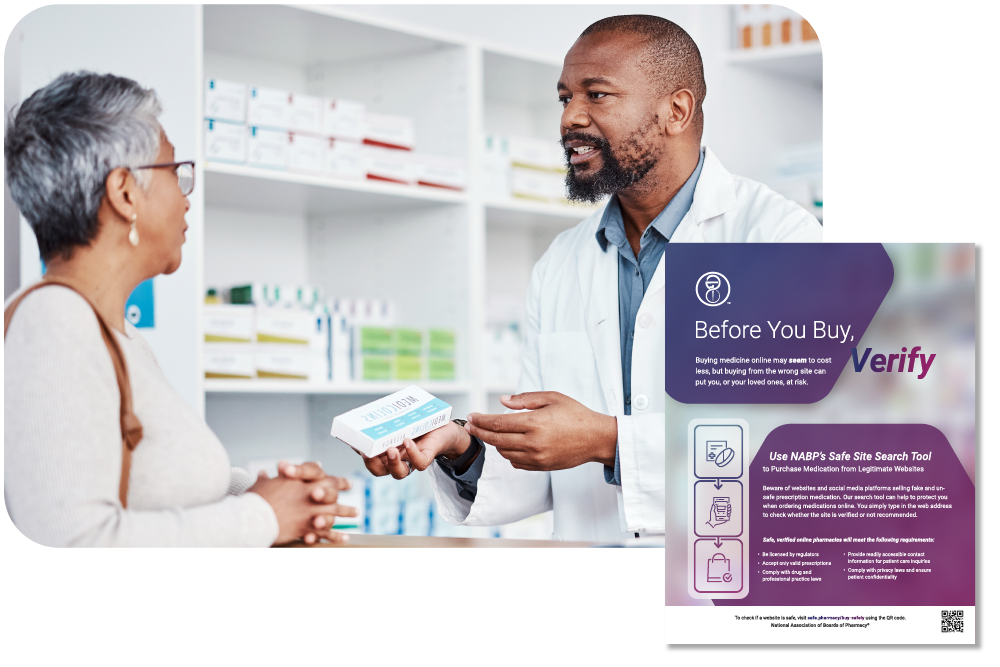
Check the pharmacy’s license and accreditation. Look for verification seals from organizations like LegitScript or PharmacyChecker.
- Verify their physical address using online tools like Google Maps. A legitimate pharmacy will have a traceable location. Scrutinize their contact information. A real business will provide multiple ways to get in touch – phone, email, and possibly a physical address. Examine their privacy policy. A reputable pharmacy will clearly state how they protect your personal information.
Review online reviews and testimonials from other customers. Beware of overwhelmingly positive reviews–they can be fake.
Assess the website’s security. Look for “https” in the URL and a padlock icon in the browser’s address bar. Check their pricing. Prices that are significantly lower than average might indicate counterfeit medication. Read their terms and conditions carefully. Pay close attention to their return policy and shipping information.
Consult your doctor or pharmacist. They can offer valuable advice and help you identify potential red flags.
Report suspicious online pharmacies to relevant authorities. This helps protect others from potential harm.