
Prioritize sleep: Aim for 7-9 hours of quality sleep nightly. Consistent sleep improves mood, boosts immunity, and enhances cognitive function.
Hydrate consistently: Drink at least eight glasses of water daily. Water aids digestion, regulates body temperature, and supports overall health.
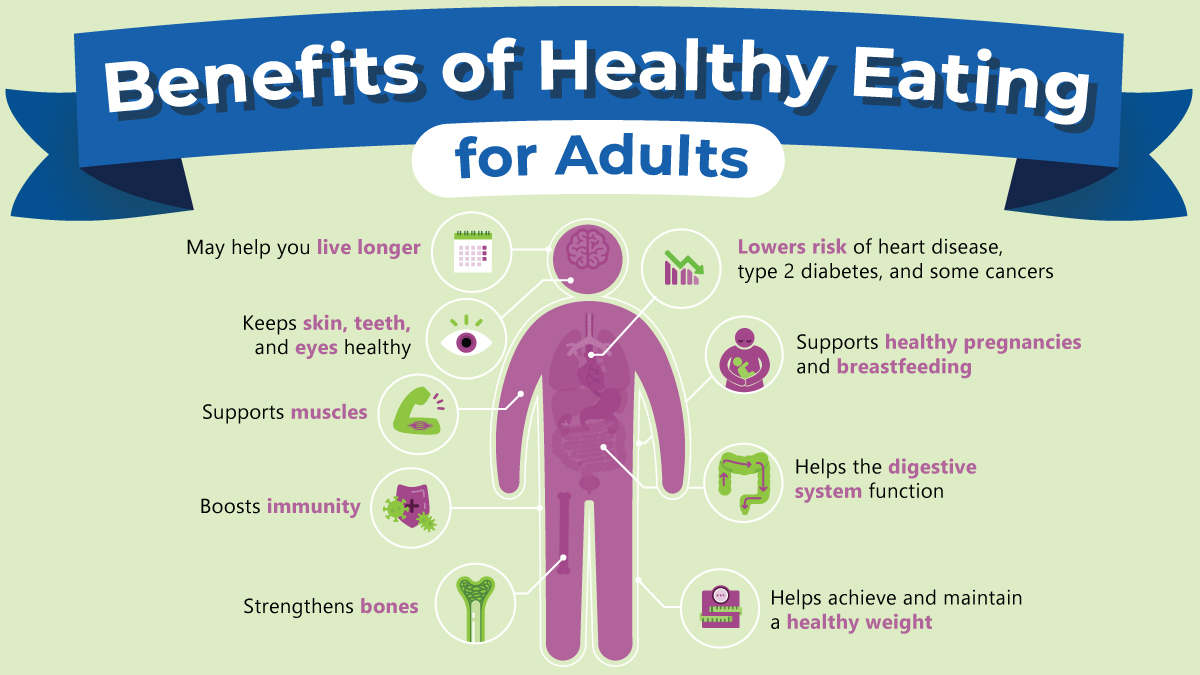
Eat a balanced diet: Focus on whole, unprocessed foods, including fruits, vegetables, lean proteins, and whole grains. Limit processed foods, sugary drinks, and unhealthy fats. A balanced diet provides the nutrients your body needs to function optimally. Consider consulting a nutritionist for personalized dietary advice.
Engage in regular physical activity: Aim for at least 150 minutes of moderate-intensity or 75 minutes of vigorous-intensity aerobic exercise weekly, along with muscle-strengthening activities twice a week. Exercise reduces the risk of chronic diseases and improves cardiovascular health.
Manage stress effectively: Practice stress-reducing techniques such as meditation, yoga, or deep breathing exercises. Chronic stress negatively impacts health; managing it is key to well-being.
Schedule regular health checkups: Visit your doctor for routine checkups and screenings. Early detection and prevention are vital for maintaining good health.
Maintain a healthy weight: Strive for a healthy BMI (Body Mass Index) through a combination of diet and exercise. A healthy weight reduces the risk of various health problems.
Limit alcohol consumption: If you drink alcohol, do so in moderation. Excessive alcohol consumption is linked to numerous health risks.
Don’t smoke: Smoking significantly increases the risk of various cancers and respiratory diseases. Quitting smoking improves your overall health and longevity.
Build strong social connections: Maintain healthy relationships with family and friends. Social support significantly contributes to mental and emotional well-being.