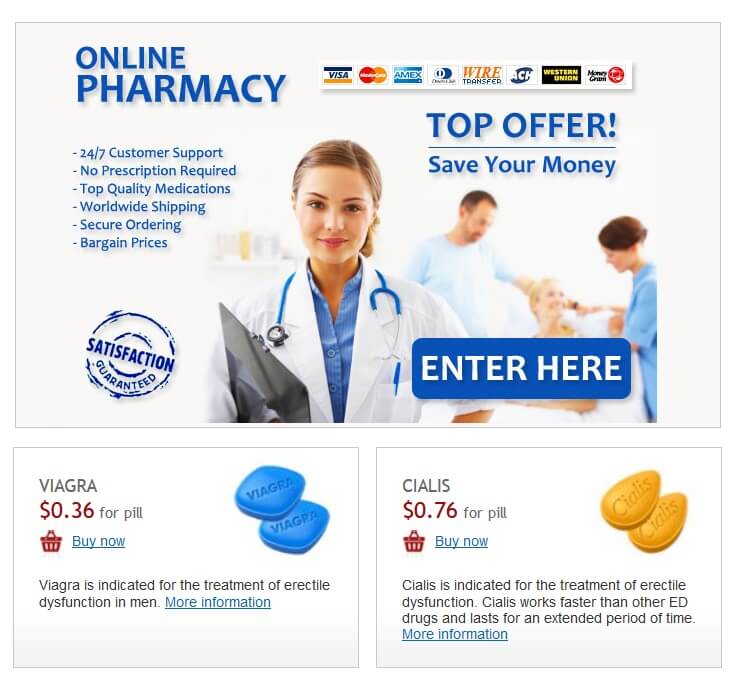
Check for a valid license and registration: Legitimate online pharmacies prominently display their license information, often with links to verifying agencies. Look for a physical address and phone number; avoid sites with only PO boxes or email addresses. Verify the license number independently through the relevant regulatory body in the pharmacy’s stated location (e. g., the National Association of Boards of Pharmacy in the US).
Website Security Measures
Ensure the website uses HTTPS (the padlock icon in your browser’s address bar). Look for a privacy policy clearly outlining how your data is handled. Avoid sites with poor grammar, broken links, or suspicious design.
Contact Information and Customer Service
A legitimate pharmacy should have multiple ways to contact them – a phone number, email address, and possibly a live chat feature. Test their responsiveness; delays or lack of response is a red flag. Examine their return policy – a clear, accessible policy demonstrates transparency.
Medication Verification
Check if the pharmacy provides details about the medication’s manufacturer and source. Look for a clear description of the medication, including dosage, active ingredients, and potential side effects. Beware of pharmacies offering significantly cheaper medications than other sources – this could indicate counterfeits. If possible, confirm medication authenticity using the manufacturer’s verification tools.