Verify the website’s security using HTTPS – look for the padlock icon in your browser’s address bar. This shows the site uses encryption to protect your data.
Protecting Your Payment Information
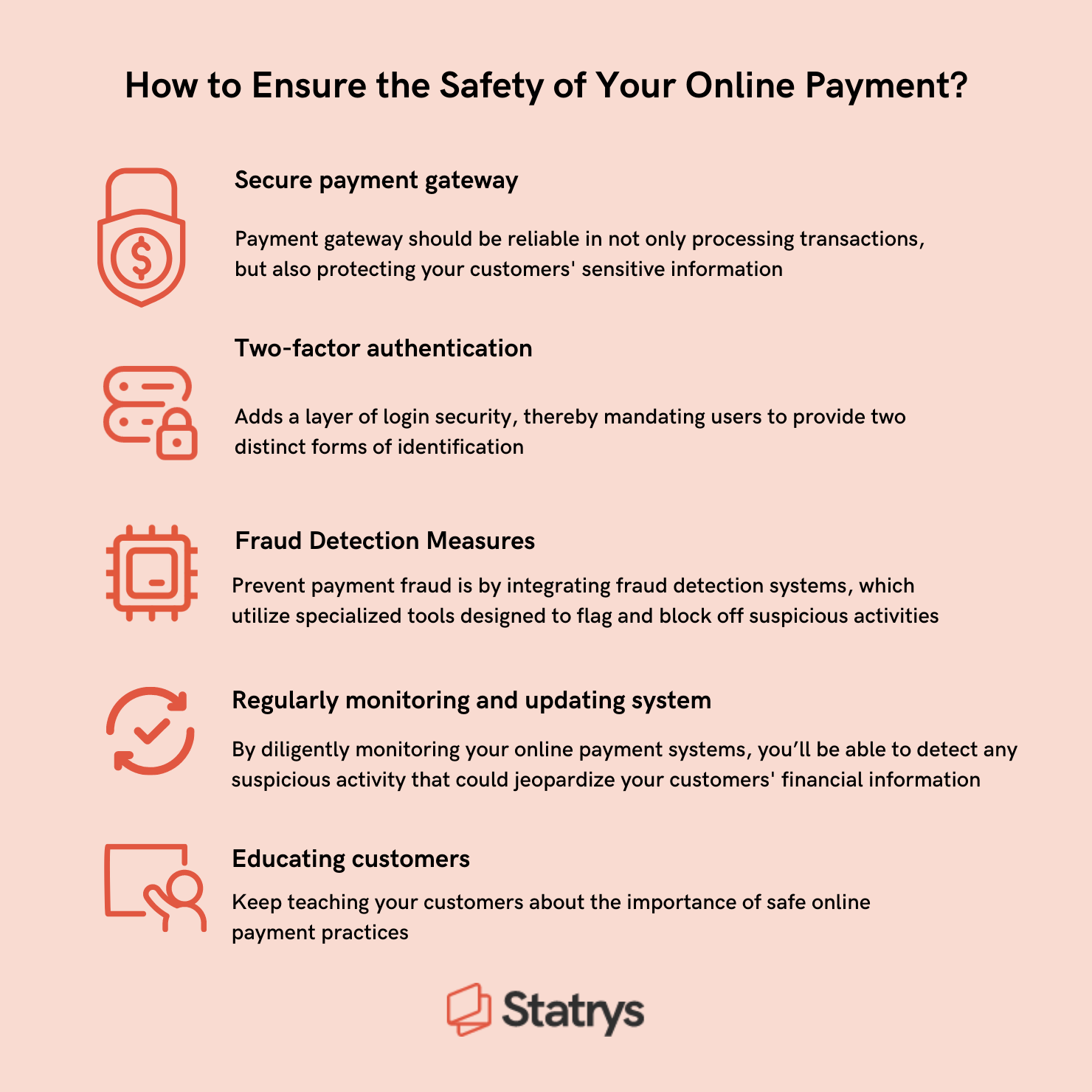
Use trusted payment gateways like PayPal or Stripe. These services offer buyer protection and robust security measures. Avoid directly entering your credit card details on unfamiliar sites.
Check the website’s privacy policy. A clear and detailed policy indicates a commitment to data protection. Look for information on how they handle your personal information and what security measures they employ.
Read customer reviews and testimonials. Independent reviews provide valuable insights into the site’s reliability and security practices. A history of positive feedback suggests a trustworthy seller.
Contact customer support if you have questions or concerns. Responsive customer service demonstrates a commitment to addressing customer issues and resolving problems quickly.
Additional Security Tips
Use a strong, unique password for your online accounts. Consider using a password manager to create and store secure passwords. Avoid using the same password across multiple websites.
Keep your computer’s software updated. Regular updates patch security vulnerabilities and protect against malware. Regularly scan your computer for viruses and malware using reputable antivirus software.