
Erectile dysfunction (ED) isn’t a sign of aging; many factors contribute, including stress, diet, and underlying health issues. Addressing these factors often improves symptoms.
Seeking help isn’t a sign of weakness. Millions of men experience ED, and effective treatments exist. Open communication with your doctor is crucial for diagnosis and personalized care.
Lifestyle changes significantly impact ED. Regular exercise, a balanced diet, and stress management techniques can make a considerable difference. Consider incorporating 30 minutes of moderate-intensity exercise most days of the week.
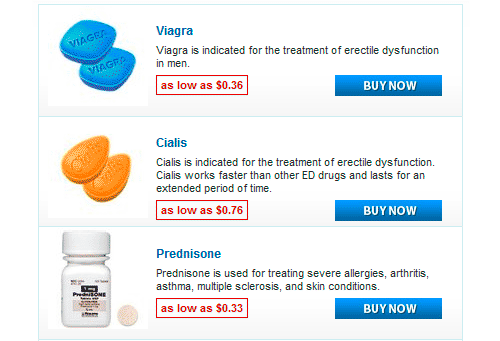
ED medications aren’t a quick fix; they’re tools to assist in achieving and maintaining an erection. They work best when combined with a healthy lifestyle. Results vary, and open discussion with your doctor is vital.
Many men worry about side effects. While side effects are possible, they aren’t universal. Your doctor can discuss potential side effects and help you manage them if they occur.
Relationship problems are often intertwined with ED. Open and honest communication with your partner can strengthen your bond and reduce stress, potentially improving your symptoms. Consider couples counseling if necessary.
Alternative treatments, such as psychological therapy or penile implants, exist for men who don’t respond to medication or prefer non-pharmaceutical approaches. Discuss all available options with your healthcare provider.
Regular check-ups are key to managing any underlying health conditions that might contribute to ED. Early detection and treatment of conditions like heart disease or diabetes can significantly improve erectile function.